From investment to stewardship: getting the ByWard Market right
By Warren Waters and Josiah Frith
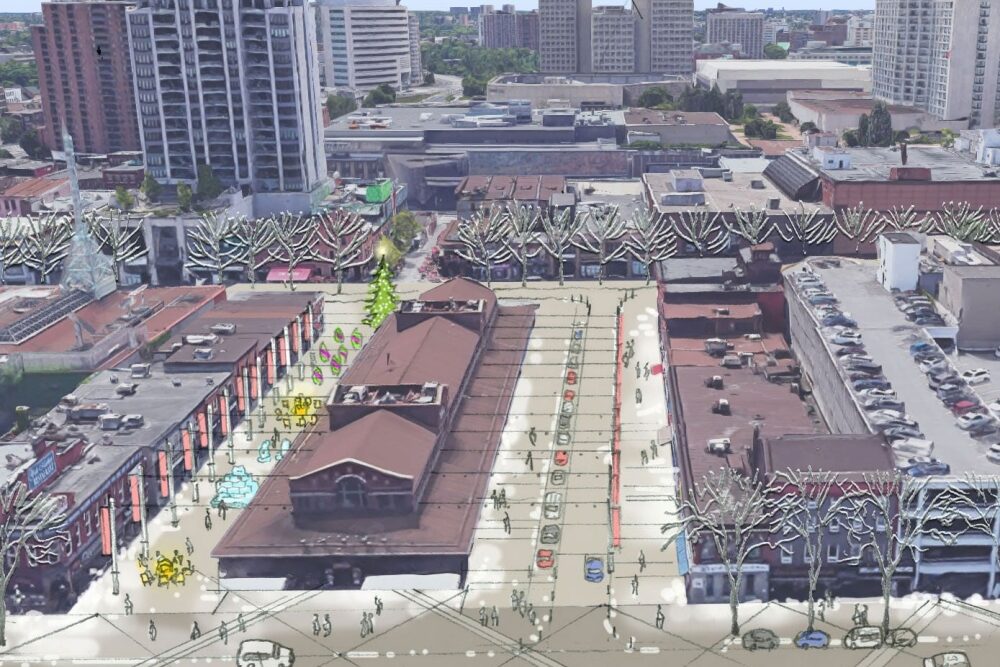
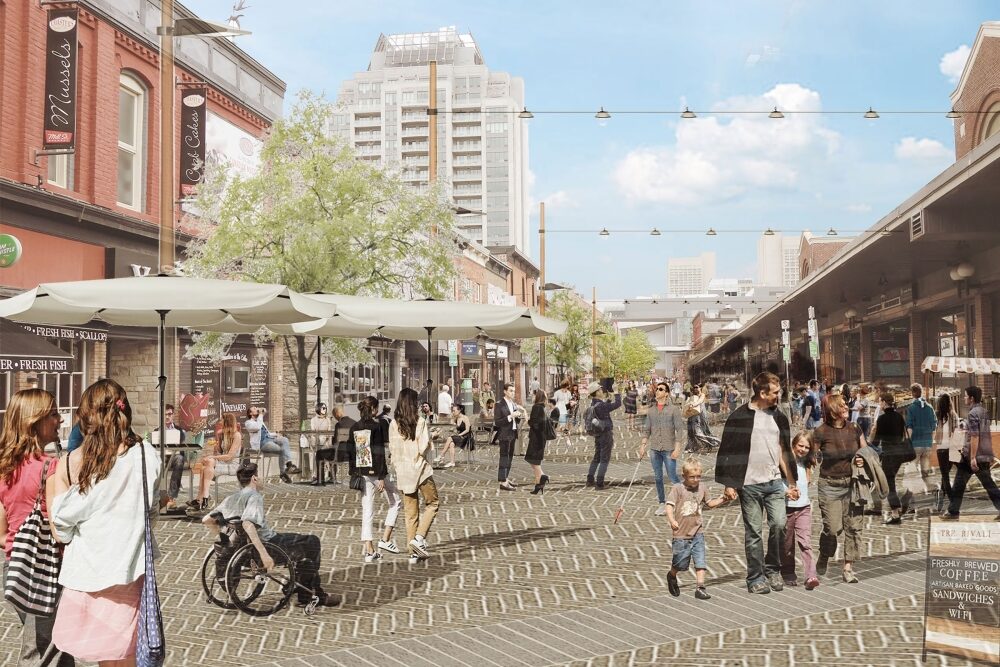
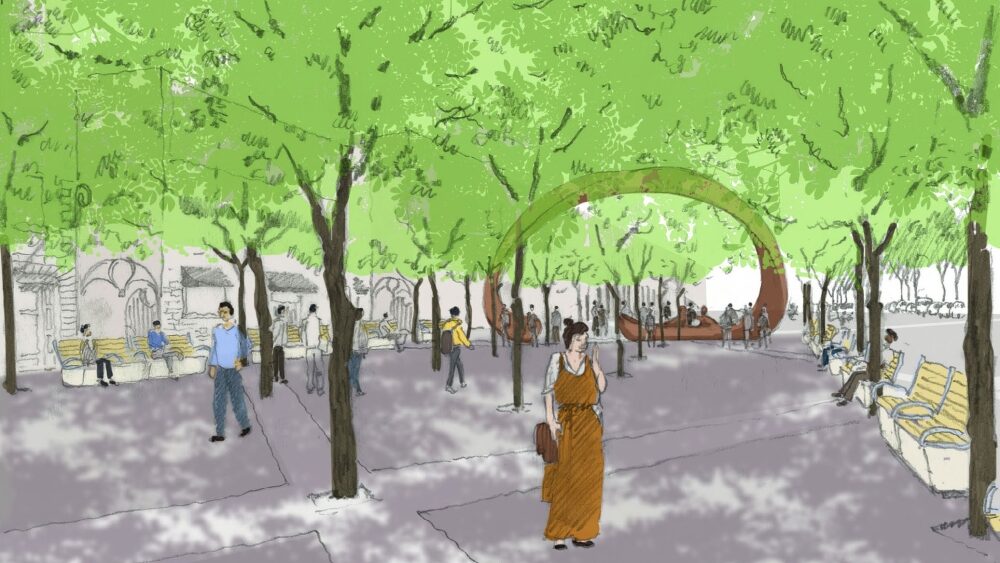
The city has unveiled its plan for the ByWard Market – a $197 million proposal that includes a new York Street plaza, upgrades to the Market building, and the redevelopment of the 70 Clarence parking garage site. There is no question the Market needs attention. It is one of Ottawa’s most important historic and economic assets. But the question is not whether we invest. It is whether we are investing in the right way and on the right timeline.
A big fix with real risks
The current plan presents a large, coordinated “reset” of the district. But beneath that ambition are important concerns. Expected to lose $46 million over 40 years, the city is proposing infrastructure that may not pay for itself over time. That doesn’t mean it shouldn’t be built, but it does mean it must be grounded in long-term sustainability.
At the same time, some of the most immediate needs remain under-addressed. Basic services – public washrooms, support for workers such as nighttime child-care, and day-to-day maintenance – are not minor details. They are what make a place function. Revitalization cannot succeed on missing fundamentals.
Who is this plan for?
There is also a question of governance. Right now, implementation is largely being shaped by the city. While that may be efficient, it risks missing the lived reality of the neighbourhood. Safe and successful communities are not delivered to residents. They are built with them.
If this plan is to succeed, it needs meaningful neighbourhood involvement, clear accountability, and defined roles for decision-making. A neighbourhood-led advisory group and a transparent framework for responsibility would strengthen both trust and outcomes.
The conditions on the ground
What is often missing from revitalization discussions is the starting point. Lowertown and the ByWard Market are not blank slates. They are already carrying significant pressure – economic, social, and infrastructural.
For years, the downtown core has absorbed a large share of the city’s crisis response systems. Those services are essential, but their concentration has created conditions that make it difficult for the area to function as both a neighbourhood and a destination. Layering new investment on top of that pressure, without changing the underlying system, risks recreating the same challenges in a newly designed space.
What can change now
While most of the physical elements of this plan will take years to design and build, social investments do not need to wait. There are early signs of a shift. The rollout of HART hubs suggests a move towards more distributed, preventative care.
For this approach to meaningfully relieve pressure on the downtown core, the program must continue to grow and expand across all wards. Without that scale, it risks becoming another well-intentioned but localized solution.
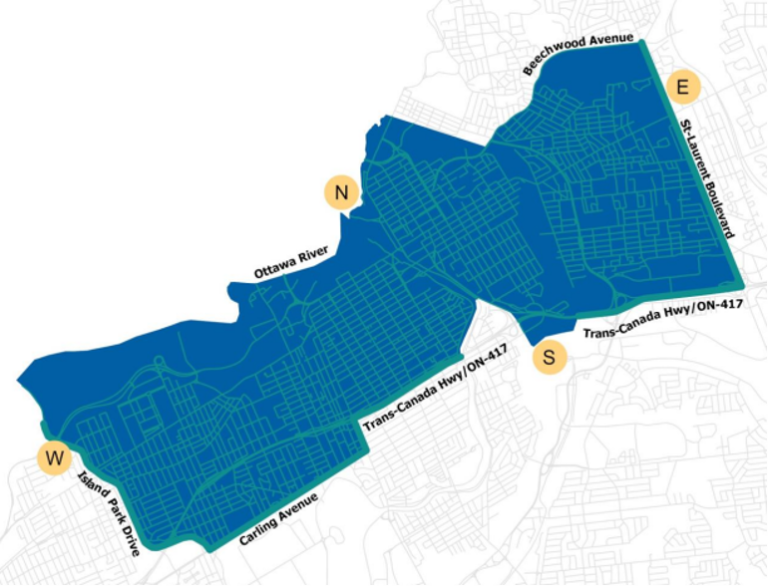
A distributed model does more than support downtown, it restores access to services in rural and outlying communities that have seen them disappear since amalgamation. It also allows people to access care closer to where they live, rather than at the point of crisis. This work is not just a cost, it is labour.
Supporting people through crisis and recovery requires human skill, lived experience, and trust. Done properly, it creates pathways to employment and participation while strengthening the system as a whole.
From investment to stewardship
The ByWard Market deserves investment. But more importantly, it deserves stewardship. That means aligning physical upgrades with social infrastructure, sharing responsibility across the city, and acting on what can be improved now, not just what can be built later. If we get that right, the
Market doesn’t need a “Big Fix.” It will stabilize and then it can grow.