High-speed rail: can you dig it?
By Josiah Frith
There’s a lot of talk right now about high-speed rail in Ottawa – where it should go, how fast it will be, what it will cost. But before we all start taking sides, it might be worth slowing down for a minute and asking a few basic questions. What would this actually mean on the ground?
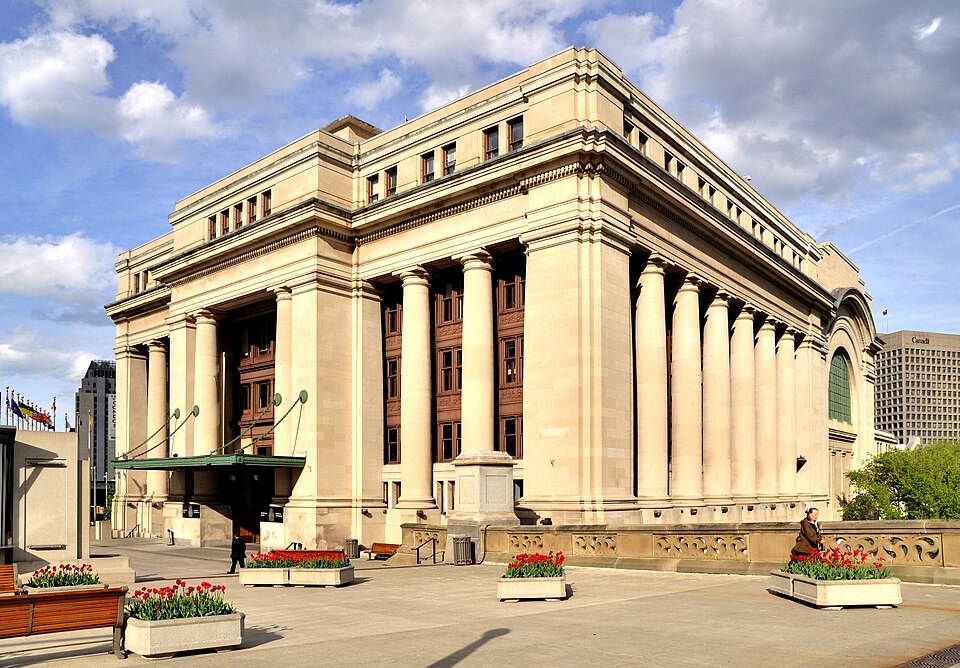
One of the ideas being floated is a downtown station at Ottawa’s Union Station, opposite the Chateau Laurier and currently the temporary home of the Senate of Canada. Sounds great in some ways – right in the core, easy access – but it would likely mean tunnelling. And that’s where a few assumptions start to creep in.
I’ve already heard people ask: if we’re tunnelling anyway, could that finally solve things like truck traffic on King Edward Avenue? Short answer: probably not. A rail tunnel coming in from the east or
south doesn’t line up with truck traffic coming from north of us in Québec. Different routes, different systems. It’s not that it’s a bad idea. It just isn’t that simple. Another assumption is that tunnelling means less disruption. In some ways, yes, but not in the way people expect. Tunnelling doesn’t eliminate disruption, it concentrates it. Even if the line runs underground, you still need stations, access shafts, and entry points. Those happen at the surface. You also need space for equipment, and all the material being dug out has to be hauled away. That means truck traffic, lane closures, and construction zones that can last for years, especially around the station itself. So, while a tunnel can avoid long-term community division, it can still mean very real, very visible disruption while it’s being built.
Which brings us back to the bigger picture. One thing tunnelling does do is suggest we’re trying to avoid repeating some of the mistakes we’ve already lived through. Back in the 50s and 60s, highways were the “high-speed” infrastructure of their time. They moved people and goods efficiently, but they also cut through communities. In places like Lowertown, we’re still dealing with that today. So yes, tunnelling downtown could be a sign that we’re trying to do things differently this time. That’s a positive. But it comes with trade-offs too: big cost, concentrated disruption during construction, long-term decisions that are hard to undo.
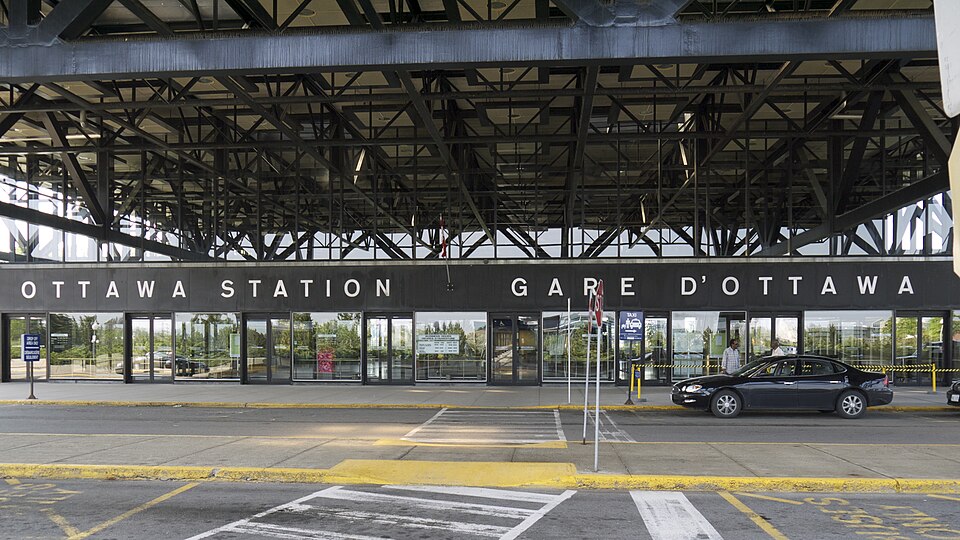
There’s also the other option – using the VIA Rail station in the east end. That’s more simple. Less disruption downtown. Uses what we already have. But then you have to ask – what happens to the extra load on transit? Does it change anything about the issues we already deal with? Does it slowly pull even more activity away from the core? None of these outcomes are guaranteed, but they’re all part of the picture.
And that’s really the point. This isn’t just about picking a station location. It’s about how we think about infrastructure decisions that last for decades. Do we solve one problem at a time?
Or do we at least ask how things connect before we build? There aren’t easy answers here—but there are better questions. And we’re at a stage where those questions still matter.
If you’ve been following this, or even just starting to think about it, I’d be interested to hear what you think. The Lowertown Community Association’s Transportation Committee is always open to input. At the very least, this is one of those moments where it’s worth paying attention.
Josiah Frith is the chair of the Transportation Committee and co-vice president of the Lowertown Community Association.