


Similar Posts

Supporting students, strengthening our community
By Lucille Collard, Member of the Legislative Assembly of Ontario for Ottawa-Vanier As spring arrives in Lowertown and we welcome longer days, it’s a fitting time to reflect on what we are building for our children and our community’s future. Education is a major topic at Queen’s Park these days. Bill 101, the Putting Student…
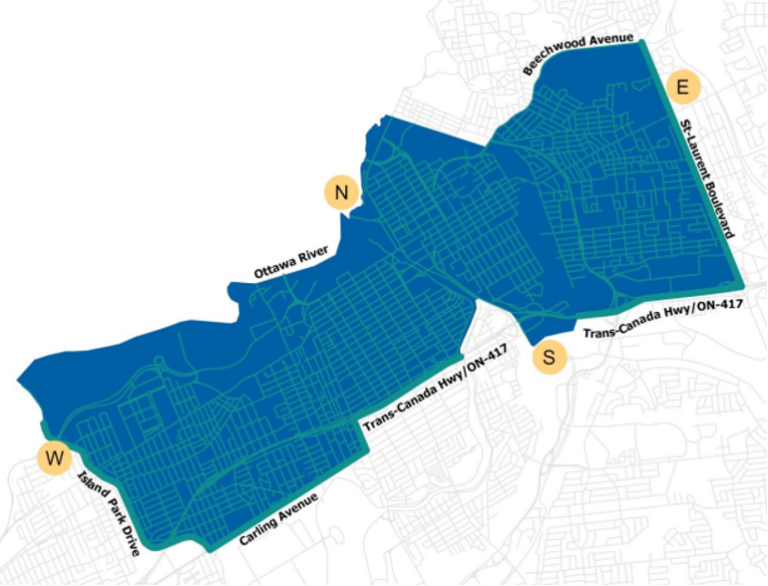
What ANCHOR’s expansion into Lowertown means for our community
By the Lowertown Community Association’s Health & Wellness Committee Lowertown will soon be included in the City of Ottawa’s Alternate Neighbourhood Crisis Response (ANCHOR) program, a community-led mental health and substance-use crisis response service that offers an alternative to a police response in certain situations. ANCHOR was launched in 2024 as a response to long-standing…

King Edward Avenue and the speed camera: what it revealed and what we’ve taken away
By Josiah Frith As I write this, a few blocks from King Edward Avenue, the sound of a truck engine brake cuts through the morning. It’s a familiar interruption here – not occasional, but routine – and it says more about the street than any traffic report. King Edward is not behaving like an ordinary…

Read the latest issue of The Echo! (16-3, August 2025)
Download the full PDF version here.

Having the courage to change
By Josiah Frith, Lowertown Community Association There was a time when horses ruled Ottawa’s streets, pulling carts, carriages, and wagons through Lowertown and beyond. But the charm wore thin. Horses were unpredictable, left the roads filthy with manure, and limited the city’s ability to grow. So came the trains. By the mid-1800s, rail lines were…