Tech tips – lithium-ion batteries – how can something so handy be so dangerous?
By Malcolm and John Harding of Compu-Home
Q: Considering the huge number of the shapes, sizes, and types of batteries in our homes, isn’t it a bit surprising to be talking about them potentially being dangerous?
A: Batteries store chemical energy that is used to power a device, but that power can be released suddenly as heat, fire, or even an explosion if something goes wrong. Lithium-ion batteries, in particular, are very much in the news lately as suspected or proven culprits in recent serious and even lethal accidents.
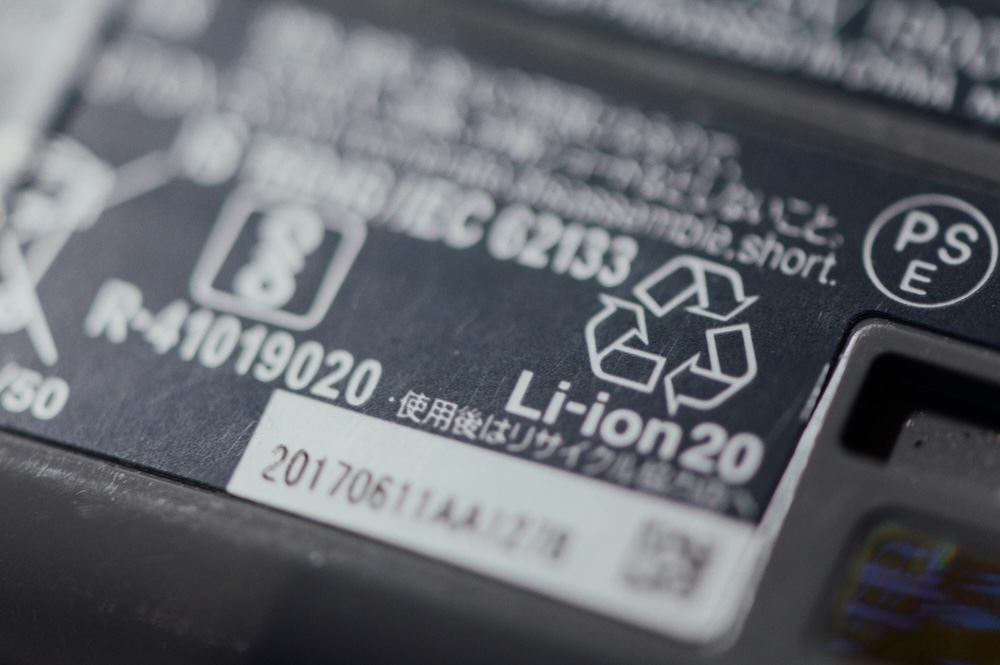
Q: What about lithium-ion batteries makes them particularly dangerous?
A: The advantages of lithium-ion batteries are that they are rechargeable, and that they have a “high energy density,” meaning that they can store an unusual amount of energy for their size, compared with other battery types. These two factors can lead to dangerous conditions if the batteries or their chargers malfunction or are misused.
Q: Where are we likely to find lithium-ion barriers in our homes?
A: Everywhere from automobiles (huge) to hearing aids (tiny). Just a partial list of examples would include laptops, cell phones, watches, e-bikes, wheelchairs, lights, cordless drills, vacuums, lawnmowers, drones, health-related devices, solar power storage … and by this time next year, the list will no doubt be even longer.
Q: What are the safe and unsafe practices that we should focus on in our use of lithium-ion batteries?
- Probably the most common mistake is overcharging. There is usually a dial or light to signal when a battery is fully charged and it is a mistake to leave it sitting in the charger, because results can range from simply reduced battery life to an explosion. Using the wrong charger is dangerous too.
- Lithium-ion batteries are not a place to economize by buying and using off-brands. Studies have shown that cheap or counterfeit replacements are far more likely to fail than Original Equipment Manufacturer (OEM) brands. Look for approval from a qualified testing laboratory like CSA or UL.
- Don’t recharge batteries where papers or other flammable materials are stored.
- An early stage of a malfunction is sometimes (but not always) for the battery to become swollen or misshapen, which indicates a gas buildup and the potential for a fire or explosion.
- Watch carefully if a battery (or a device containing a battery) has been dropped or jostled. The result could be damage to the battery casing or a short-circuit in the charging wiring.
- Devices with batteries should never be left where the ambient temperature could result in overheating.
- Store multiple batteries so that their terminals cannot touch one another, or any metal surroundings.
- Never try to keep a leaking battery in service.
- Make sure that you are using a battery only in the device for which it was intended, or within a family of devices that you are certain to have been manufactured to use that specific battery.

The Government of Canada has a comprehensive website on this subject at Battery Safety: Lithium-ion Batteries (scan the QR code) :