
Inner City Health and the Ottawa Hospital support the nutrition needs of vulnerable community members
By Echo Contributor
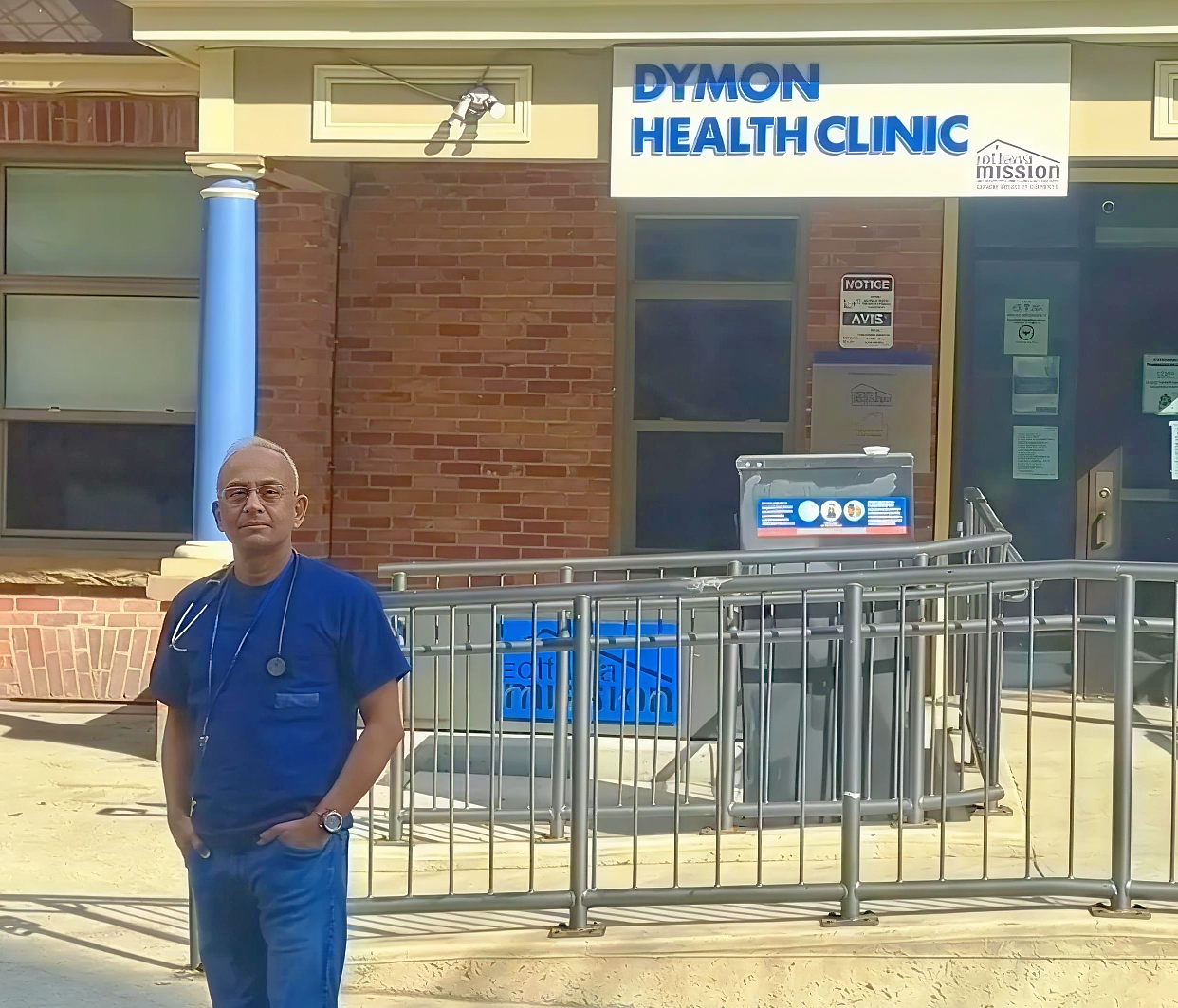
Rakesh Patel, ICU physician and frontline doctor with Ottawa Inner City Health, has launched an innovative program that repurposes discarded hospital nutritional supplements to support people experiencing homelessness while, at the same time, helping to reconnect them with healthcare services in Ottawa.
The initiative centres on Ensure, a high-calorie nutritional drink typically used in hospitals. Instead of treating it only as a clinical product, the program has reframed it as a practical outreach tool for people who are insecurely housed, including those staying in shelters, couch surfing, or moving between temporary accommodations.
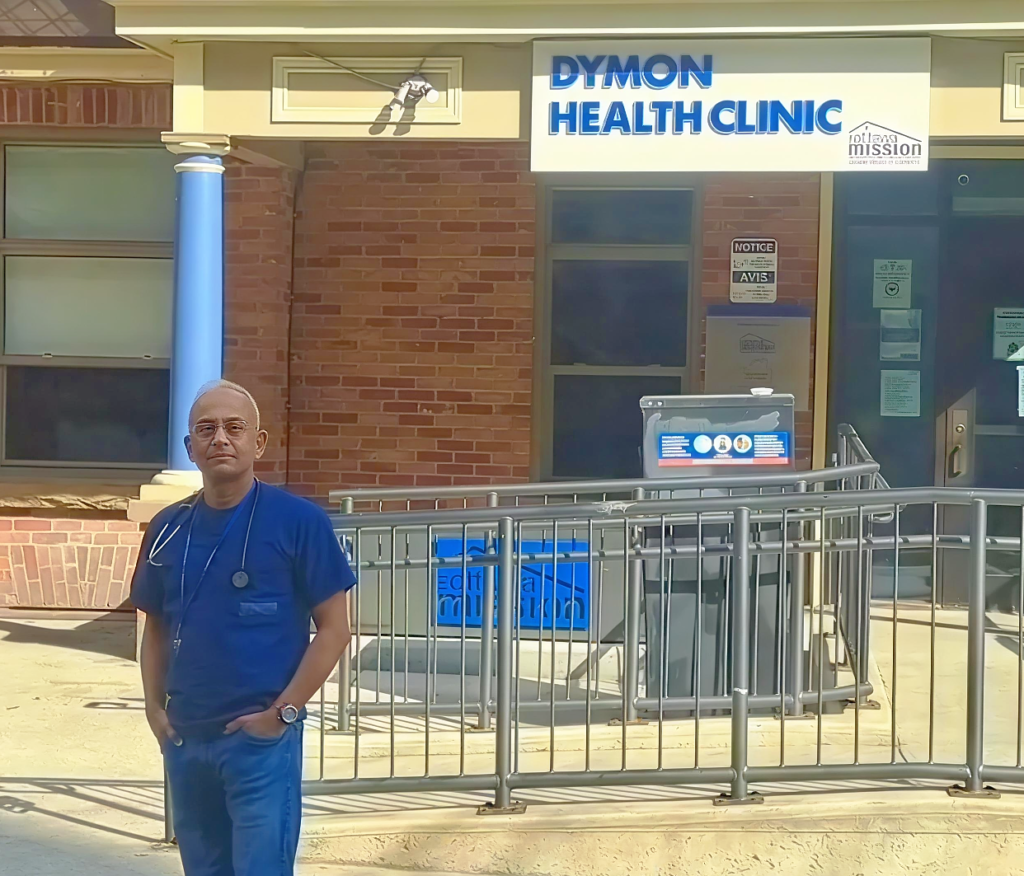
Ottawa Inner City Health works in partnership with organizations such as The Ottawa Hospital, the Salvation Army, and community housing providers to deliver care directly in shelters and supportive housing sites. A key hub in this network is the Targeted Engagement and Diversion (TED) program located at the Shepherds of Good Hope site on Murray Street. TED operates 24/7 as a “mini emergency department,” where paramedics and police can bring patients instead of sending them to hospital emergency rooms. The program diverts a large majority of cases away from emergency departments by treating manageable conditions on-site in a more trusted environment.
Within this system, Ensure has become a surprisingly effective engagement tool. Rakesh explains that food insecurity and malnutrition are major but often overlooked health issues among the population they serve. While governments typically do not fund nutritional supplements unless a patient has a specific medical diagnosis affecting the gastrointestinal tract, the program treats malnutrition itself as a serious health condition requiring intervention.
The breakthrough came from hospital waste streams. In infection isolation rooms, Ensure is provided to patients for nutrition but the bottles are sometimes left unopened and unused. Due to infection control rules, they cannot be reused in the hospital and are normally discarded. Rakesh worked with hospital partners to redirect this surplus into community care instead.
After several months of coordination, The Ottawa Hospital agreed to donate unopened and unused bottles to Ottawa Inner City Health. In just a few months, hundreds of bottles were recovered and distributed through outreach teams across shelters and supportive housing sites in Lowertown and other parts of the city.
Nurses now use Ensure strategically, prioritizing individuals at highest risk of malnutrition. The bottle itself is also key: it is portable, resealable, and can be consumed gradually, giving people autonomy and reducing barriers to care. As Rakesh puts it, “Sometimes the smallest point of care becomes the entry point for everything else.” It often serves as a non-threatening first contact, opening the door to conversations about housing, mental health, and medical needs.
Rakesh emphasized that the goal goes far beyond nutrition alone: “We’re not just feeding people, we’re building trust where trust has been lost.” A simple act of providing food, he says, can be the first step toward re-engaging people with healthcare systems they may have been afraid of or excluded from for years.
While still in its early stages and dependent on hospital surplus, the program has already shown strong results and is attracting interest in expanding the model across Ottawa and potentially to other hospitals in the region.


