Paddling for Chief Pinesi: Indigenous and non-Indigenous canoe voyage from Ottawa to Kahnawà:ke
By Jim Stone
In the six days between 5 and 10 July, 33 Indigenous and non-Indigenous paddlers travelled 187 km on the Ottawa River (Kichi Sibi in Algonquin Anishinàbemowin) from the Museum of History to the Mohawk territory of Kahnawà:ke near Montreal. We all fit into three large voyageur canoes and stayed at campsites along the way.
(Credit: Wikipedia)
The trip honoured the legacy of the Algonquin Chief, Pierre-Louis Constant Pinesi (1768-1834), who was the last Algonquin chief to have a hunting territory along the Rideau River when Colonel John By started to transform the river for his canal. His hunting ground could have been about 1600 square kilometres and included what is now Lowertown.
The end point of Kahnawà:ke was chosen to demonstrate the links between several Indigenous communities along the Ottawa River as some of the paddlers were Mohawk. We arrived in time for the annual Kahnawà:ke Powwow.
Led by veteran Wendy Jocko, a descendant of Chief Pinesi and former Chief of the Algonquins of Pikwàkanagàn First Nation at Golden Lake, Ontario, the paddlers included direct descendants of Chief Pinesi, other Indigenous and non-Indigenous peoples, including new Canadians.
The voyage had different meanings for each of the paddlers. For some, it was about honouring ancestors. For others, particularly for those who had never been on a canoe trip, it was the physical challenge of paddling up to 40 kilometres a day in a canoe, often for seven hours under a hot sun (there is no shade in a canoe). For other participants, it was about grieving loved ones and lost culture, or a drug and alcohol healing journey. For all, it was about building relationships between people who otherwise would never have met.
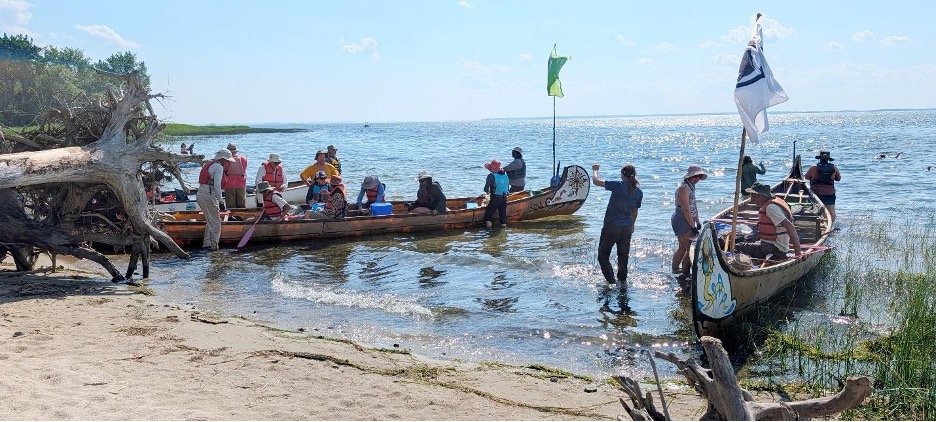
Photo by Jim Stone
The trip began with a presentation by former Chief Kirby Whiteduck of the Algonquins of Pikwàkanagàn First Nation and an overview of the archaeology of where the Museum of History sits by museum curator, Pierre Desrosiers. The daily practice of the paddling journey included efforts towards reconciliation. This not only occurred amongst the paddlers themselves but also at the mostly Francophone communities along the route, where mayors, community leaders, and local historians graciously hosted the paddlers and celebrated the event with stories and the histories of Algonquin nations.
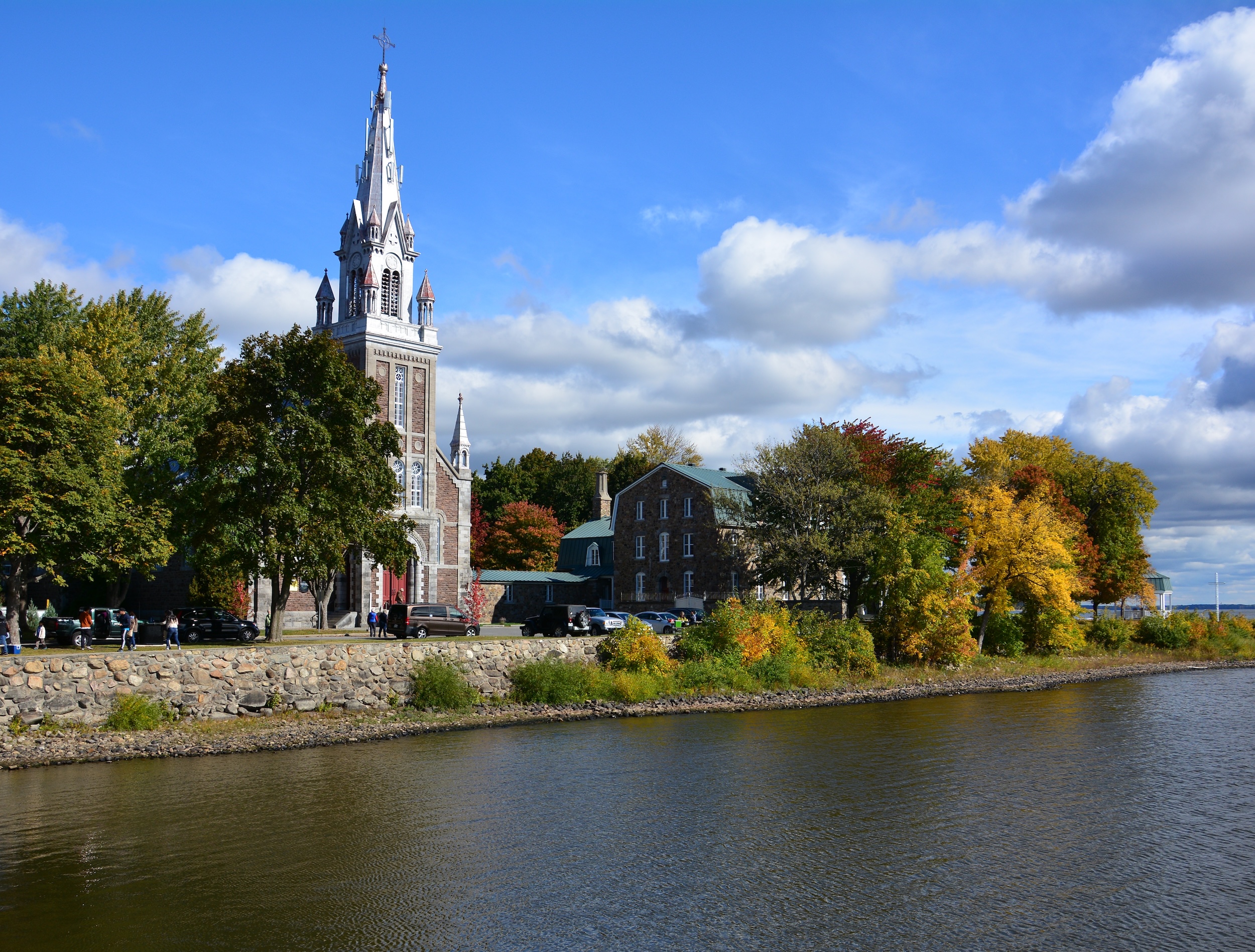
Among the highlights of the trip was the ringing of the bells upon our arrival and departure at the Oka Church of the Annunciation. Oka was of special significance to the trip as the summering place of Chief Pinesi and many Algonquins. Church leaders unveiled a plaque with the group in the cemetery to honour the more than 1,000 Algonquins (including Chief Pinesi), Nipissings, and Mohawks who were buried there in the 18th and 19th centuries and who have no grave markers.
This trip was the third in a series organized by Kichi Sibi Trails, a non-profit group that researches and identifies former Indigenous trails in the Ottawa area. This group has Indigenous leadership and does not represent any specific Indigenous community.
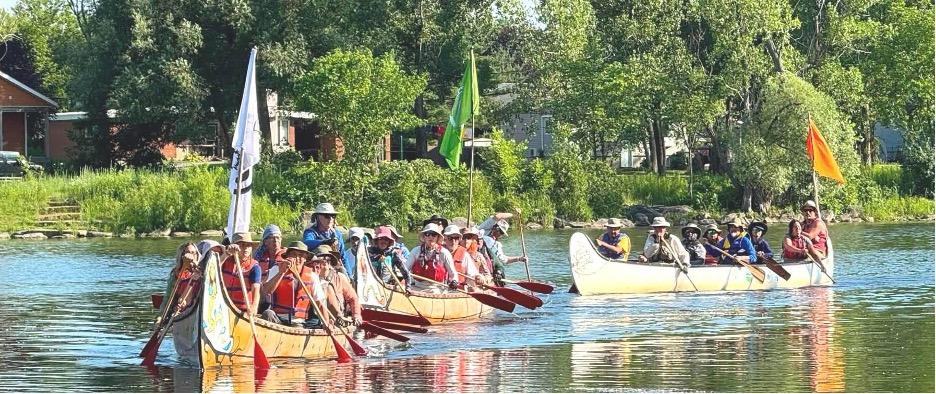
Photo by Carl Griffin